IPSGA
The System of Motorcycle & Vehicle ControlIPSGA is the heart of Roadcraft — a systematic way of approaching and negotiating any hazard. Each phase is considered in turn (but flexibly), keeping you safe, smooth and in full control. The Information phase runs right through every other phase.
Take, Use and Give information continuously (see T.U.G. below). Observation feeds every other phase and never stops.
Position the machine or vehicle for safety, stability and the best view — the correct road position for the hazard ahead.
Adjust to a safe speed for the hazard using throttle, engine braking and brakes, arriving at the right speed before you need it.
Select the right gear for that speed so you have maximum control and the power to respond.
Accelerate smoothly and appropriately to leave the hazard safely once it is clear to do so.
TUG
The Information phaseT.U.G. breaks down the Information phase of IPSGA. Good information — taken early, used well and given clearly — is what makes advanced riding and driving safe.
Take information from the road, other road users, signs, road surface and the environment — scan near, middle and far distance.
Use that information to plan: what can be seen, what can't be seen, and what may reasonably be expected to happen.
Give information to others — signals, brake lights, position and, where helpful, the horn — so your intentions are clear.
POWDDERSS
Pre-ride / pre-drive machine checkA quick, methodical check before every ride or drive helps catch problems before they catch you out. POWDDERSS is a popular memory aid — exact wording varies between groups, so always follow your tutor's guidance.
Enough fuel for the planned journey (and reserve).
Engine oil at the correct level; no leaks.
Coolant level correct where applicable.
General condition — no damage that affects safety or roadworthiness.
Drive chain tension and lubrication (or belt/shaft condition).
Lights, indicators, brake light and horn all working.
Tyres — tread, condition and correct pressures.
Steering moves freely through the full range; controls feel right.
Suspension working correctly; stands retract properly and are in good condition.
IAMSAFE
Am I fit to ride or drive?The machine is only half of the equation — the rider or driver must be fit too. IAMSAFE is a simple self-assessment to run before setting off.
Are you unwell in any way that could impair your riding or driving?
Is your mindset calm, patient and safety-focused — not rushed, distracted or aggressive?
Are you taking anything that causes drowsiness or affects concentration?
Are you well rested? Too little sleep slows reactions and concentration long before you actually feel tired.
Any alcohol still in your system, including from the night before?
Have you eaten and had enough to drink? Low blood sugar and dehydration quietly reduce focus and stamina.
Are you in the right emotional state to concentrate — not angry, upset or preoccupied by something else?
Statistics
Motorcycle safety in numbersAdvanced training isn't just about enjoyment — the numbers make a powerful safety case. Here's a plain-English summary of the latest Great Britain motorcycle casualty figures, and why post-test roadcraft matters so much.
A small share of traffic, a large share of harm
Riders are a tiny fraction of road traffic but a quarter of those killed.
How serious rider injuries are
Share of casualties that are killed or seriously injured (KSI).
What's behind the most serious crashes
Recorded factors in rider KSI collisions — exactly what advanced roadcraft targets.
Observation, hazard perception and speed management are the very skills advanced RoSPA training develops through the system of motorcycle control (IPSGA). Post-test coaching is one of the most effective ways for an experienced rider to cut their risk — and enjoy the road more.
Sources: Reported Road Casualties Great Britain 2025 (Department for Transport) and RoSPA motorcycle safety guidance. Figures are rounded summaries for general guidance.
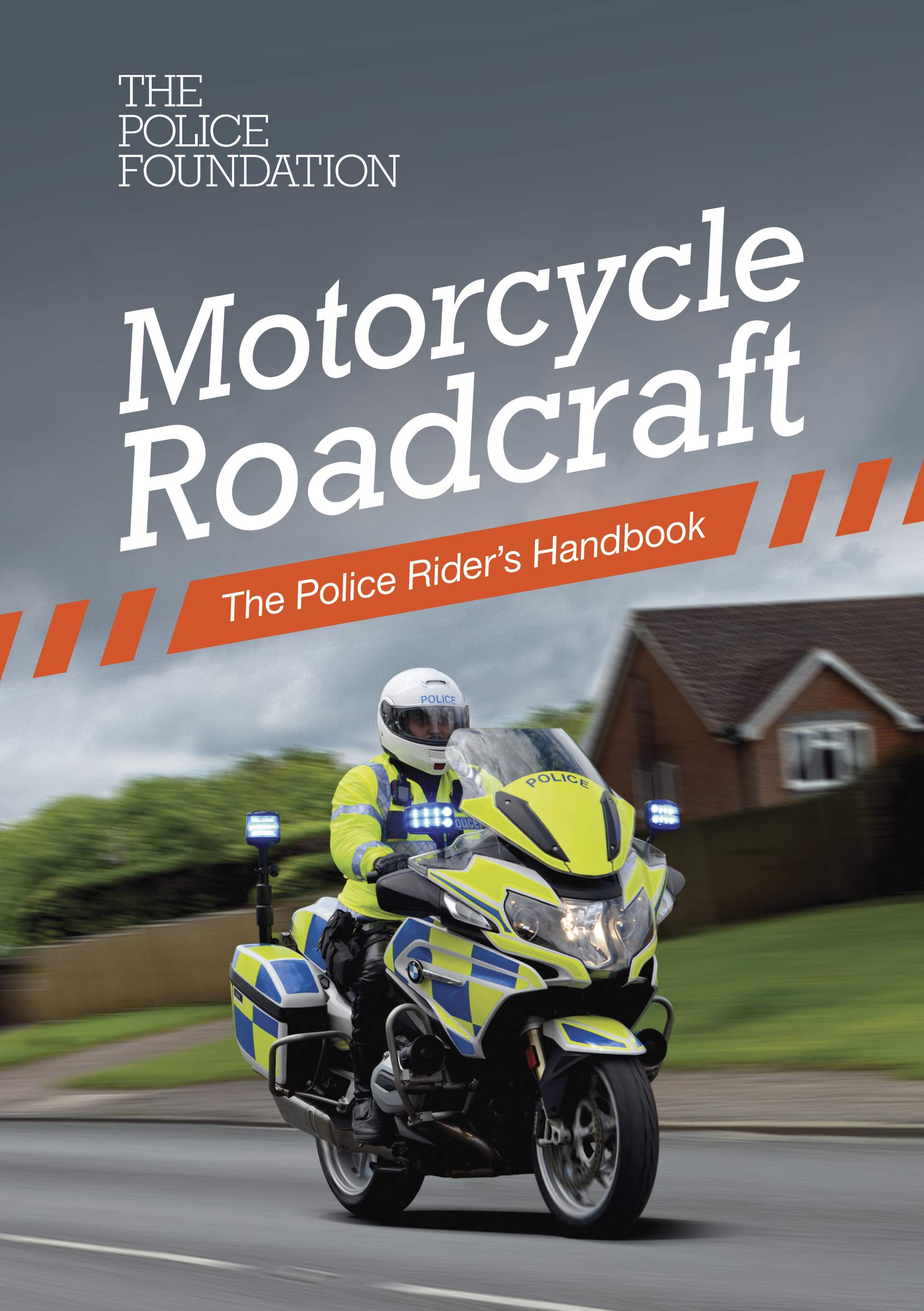
Roadcraft — the Police Rider's & Driver's Handbook
Roadcraft is the official police handbook for advanced riding and driving, and it is the foundation on which RoSPA advanced training and the RoSPA test are based. It distils decades of police experience into a clear, repeatable approach to using the road safely and making good progress.
At its core is the System of Vehicle Control (IPSGA) — a disciplined method for approaching hazards — supported by advanced observation, anticipation, positioning and hazard management. Everything your tutor coaches you on can be traced back to the principles set out in Roadcraft.
Because the RoSPA assessment is built around these principles, reading Roadcraft (there are separate motorcycle and car editions) is one of the best ways to prepare. Your tutor will help you turn the theory in the book into confident, safe habits on the road.
These summaries are a friendly introduction. Exact wording and emphasis are confirmed by your tutor and the current edition of Roadcraft.